
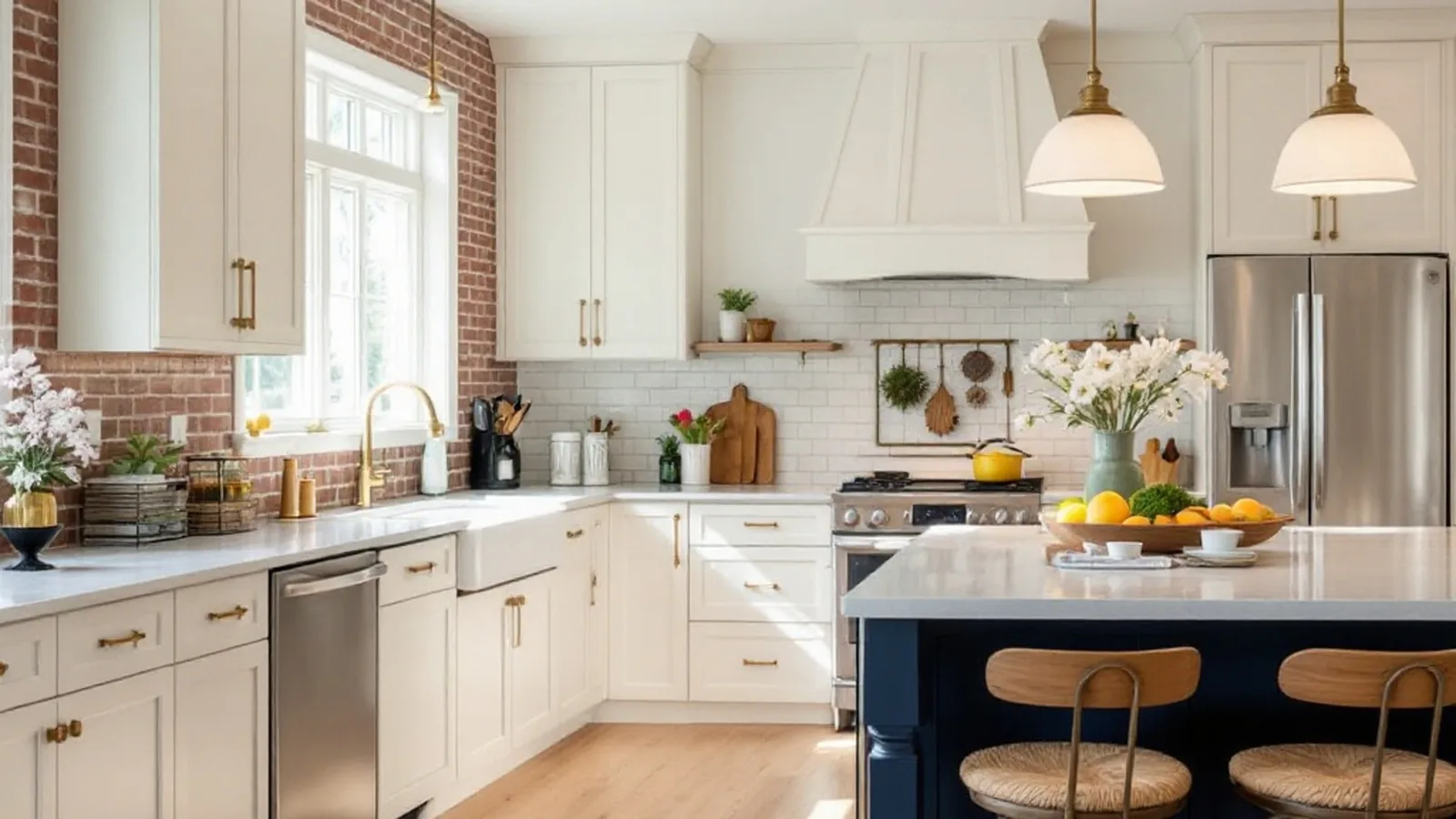
What Drives Kitchen Remodel Costs in Minnesota?
Kitchen remodel costs in Minnesota depend on a combination of scope, material quality, labor availability, and the age of your home. Rather than quoting numbers that change with every project, the more useful question is: what factors move the budget up or down, and how do you plan around them?
At New Spaces, every kitchen project starts with our Needs, Wants and Wishes discovery process. Needs are the non-negotiables your kitchen must have. Wants are the meaningful upgrades that improve your daily life. Wishes are the dream elements you would love if the budget allows. This framework gives you a clear plan with three design options at different investment levels, so you always know what you are getting and why.
Three Tiers of Kitchen Remodel Scope
Minor Refresh
A minor kitchen refresh keeps the existing layout intact and focuses on surface-level upgrades. This typically includes cabinet refacing or painting, new countertops, updated hardware, a fresh backsplash, and improved lighting. The plumbing and electrical stay where they are. This is the right tier for homeowners who like their kitchen’s bones but want it to look and feel modern.
Mid-Range Remodel
A mid-range kitchen remodel replaces cabinets, countertops, flooring, and appliances while making modest layout adjustments. You might open up a wall, add an island, or relocate the sink. Electrical updates for modern appliance loads are common at this level. Most Twin Cities homeowners land in this tier because it delivers a meaningful transformation without a full structural overhaul.
Full Custom Transformation
A full custom kitchen remodel redesigns the space from the ground up. This can include structural changes like removing load-bearing walls, relocating plumbing and gas lines, installing premium custom cabinetry, and integrating professional-grade appliances. In neighborhoods like Edina, Minnetonka, Wayzata, and the Lake Minnetonka corridor, full custom kitchens are common because homeowners expect a kitchen that matches the rest of their home.
Factors That Move Your Kitchen Remodel Budget
Cabinetry
Cabinets are the single largest line item in most kitchen remodels. Stock cabinets from a home improvement store are the most affordable. Semi-custom options from regional manufacturers offer better sizing and finish choices. Fully custom cabinetry, built to your kitchen’s exact dimensions, costs significantly more but delivers a fit and finish that off-the-shelf options cannot match.
Countertops
Countertop material has a big impact on budget. Laminate is the most budget-friendly. Butcher block adds warmth at a moderate cost but requires ongoing maintenance. Granite and quartz (Cambria, headquartered in Le Sueur, Minnesota, is a local favorite) are the most popular premium choices. Natural marble and porcelain slab sit at the top of the range.
Layout Changes
Moving plumbing, removing walls, or adding electrical circuits increases both cost and timeline. Removing a load-bearing wall requires engineering and beam installation. Relocating a sink involves plumbing rough-in work. Adding circuits for modern appliances and under-cabinet lighting requires a licensed electrician. These are common upgrades in mid-range and full custom projects.
Labor Rates in Minnesota
Labor costs in the Twin Cities metro tend to run higher than outstate Minnesota. General contractor rates, plus electrical and plumbing subcontractor rates, make up a significant portion of the total project cost. Permitting fees also vary by city: Minneapolis, Edina, Bloomington, and Burnsville each have different fee structures and inspection processes.
How the Needs, Wants and Wishes Process Protects Your Budget
The biggest risk in a kitchen remodel is not the cost itself. It is discovering halfway through that the plan does not match what you actually need. The Needs, Wants and Wishes process eliminates that risk by sorting every element of your project into one of three categories before design begins.
Your Needs are the essentials: functional storage, safe electrical, adequate lighting, appliances that fit your cooking habits. Your Wants are the upgrades that meaningfully improve daily life: a larger island, better countertop material, improved traffic flow. Your Wishes are the elements that would make the kitchen perfect if everything else lines up: a built-in coffee bar, a window seat, a statement range hood.
This framework produces three distinct design plans at three investment levels. You pick the plan that fits your budget and priorities, with full transparency on what each level includes and why.
Return on Investment for Kitchen Remodels in Minnesota
Kitchen remodels consistently rank among the highest-ROI home improvements in the Twin Cities metro. Minor refreshes tend to recoup the highest percentage of investment at resale. Mid-range remodels recoup a strong majority. Full custom projects return a lower percentage but add the most absolute value, especially in premium neighborhoods where buyers expect an updated kitchen.
A dated kitchen in a well-maintained Twin Cities home is a liability when selling. Even if you are not planning to sell soon, a kitchen that works the way your family actually uses it pays dividends every day.
Start With a Conversation, Not a Number
The most accurate way to understand what your kitchen remodel will cost is to talk through what you actually need. Schedule a conversation with New Spaces to walk through the Needs, Wants and Wishes process and get a plan built around your home, your priorities, and your budget.
Frequently Asked Questions
What drives kitchen remodel costs in Minnesota?
The main cost drivers are scope of work (minor refresh vs. full custom transformation), cabinetry type (stock, semi-custom, or custom), countertop material, layout changes that require plumbing or electrical work, and the age and condition of your home. Homes built before the 1980s often need updated wiring and plumbing, which adds to the project cost.
What are the three tiers of a kitchen remodel?
A minor refresh keeps the existing layout and updates surfaces like cabinet fronts, countertops, and hardware. A mid-range remodel replaces cabinets, flooring, and appliances with modest layout changes. A full custom transformation redesigns the space from the ground up, including structural changes and premium materials.
How does the Needs, Wants and Wishes process work for kitchen remodels?
Needs, Wants and Wishes is a discovery framework used by New Spaces. Needs are the non-negotiable features your kitchen must have. Wants are meaningful upgrades that improve daily life. Wishes are dream elements you would love if the budget allows. This produces three design options at different investment levels so you make informed decisions.
Do kitchen remodels in Minnesota provide a good return on investment?
Kitchen remodels consistently rank among the top projects for resale value in the Twin Cities market. Minor kitchen refreshes tend to recover a higher percentage of cost at sale, while full custom kitchens deliver the most day-to-day value for homeowners who plan to stay in their home for several years.